
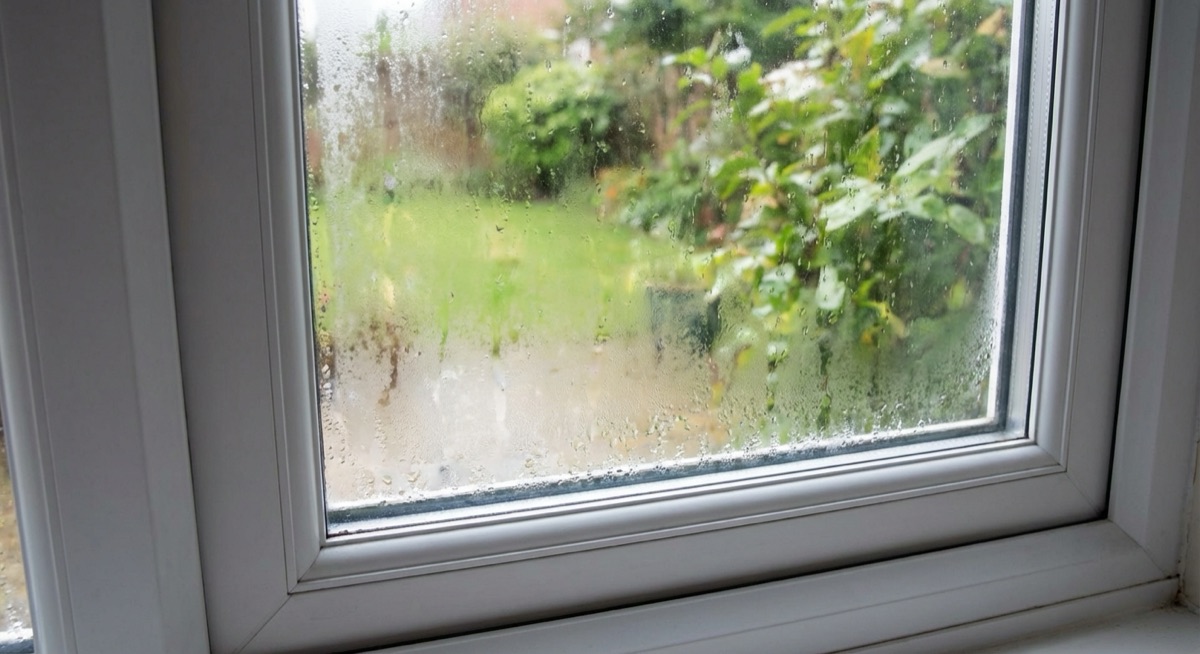
What's Causing the Fog Between Your Panes
Most windows built in the last few decades aren't single sheets of glass. They're insulated glass units (IGUs): two or three panes sealed together with a thin layer of air or inert gas trapped in between, plus a strip of desiccant tucked into the spacer bar to soak up any stray moisture. That sealed gap is what gives modern windows their energy efficiency.
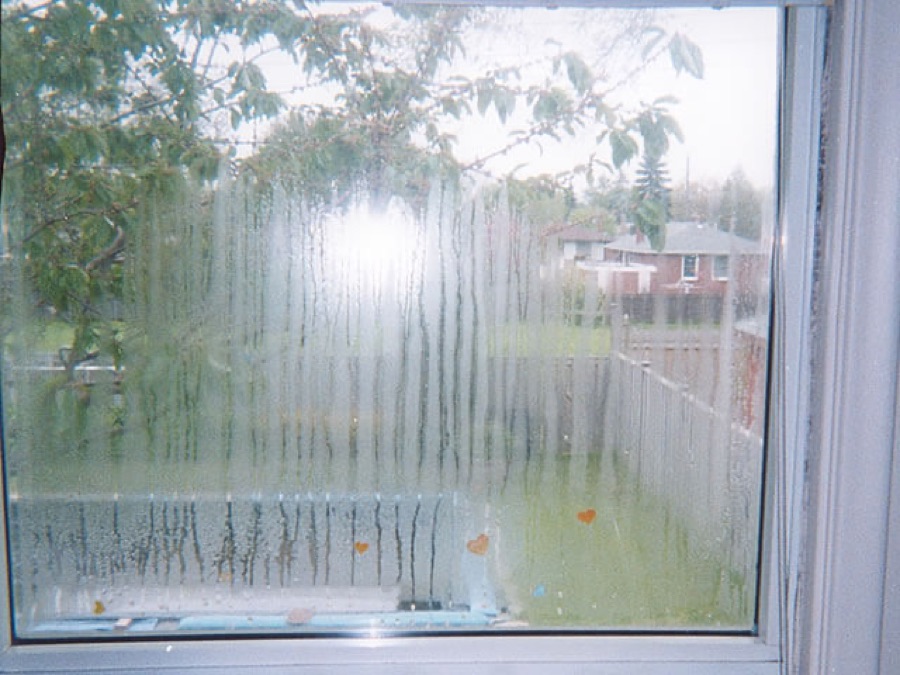
The seal holding that unit together is rubber or a similar compound, and like any seal exposed to sun, heat, and moisture year after year, it eventually breaks down. Once it fails, outside air and humidity work their way into the gap between the panes. The desiccant can only absorb so much. Once it's saturated, moisture condenses on the inside of the glass every time the temperature or humidity shifts, leaving a haze, fogging, or sometimes visible water droplets trapped where no rag can reach.
Is It Dirty Glass or a Failed Seal?
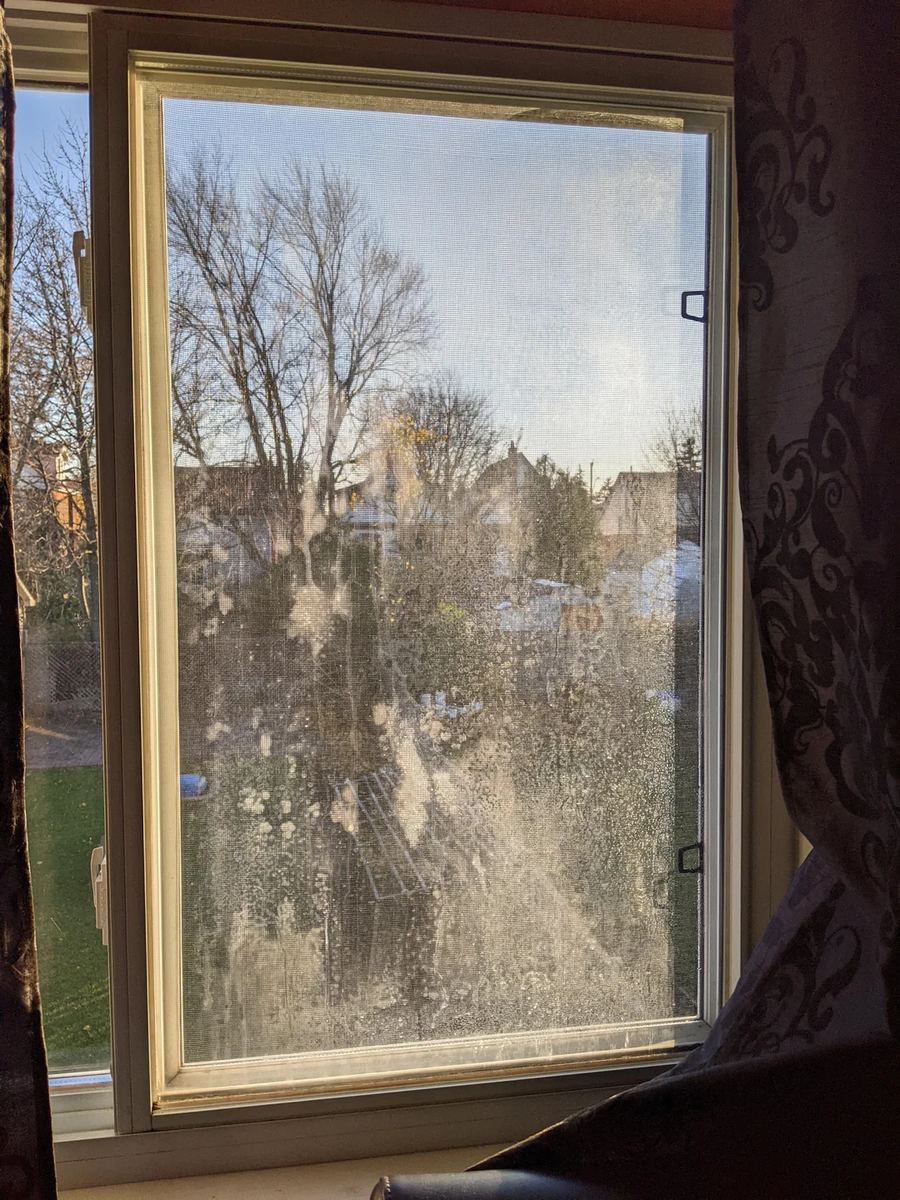
A quick way to tell: clean the window thoroughly, inside and out. If it's genuinely dirt or hard water spots, a proper cleaning brings the glass back to clear (though hard water staining specifically needs more than a regular wash to lift, since it's mineral deposits bonded to the glass, not just surface grime). If the haze is still there after that, or it clears briefly and comes back, especially on cool mornings or humid afternoons, the fog is trapped inside the sealed unit, and no amount of cleaning will touch it.
Other signs point the same direction: a faint ring or halo around the edges of the glass, visible moisture or water spots between the panes after rain, or a window that looks fine most of the year but consistently fogs up when the AC kicks on and outside humidity spikes.
A Different (But Related) Problem: Moisture at the Frame
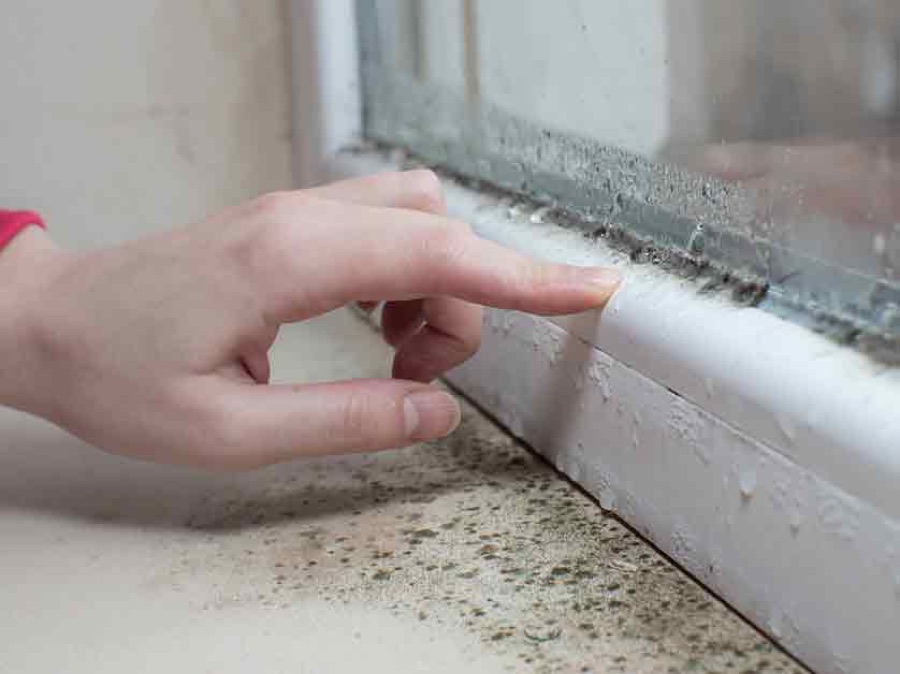
Not every window problem is a failed glass seal. If you're seeing staining, softening wood, or mold on the windowsill or frame itself, rather than fog trapped inside the glass, that usually points to a different issue: water working its way in around the window's caulking or flashing, not the sealed unit between the panes. It's worth having someone look at separately, since left alone it can lead to wood rot or drywall damage around the window.
Why This Happens Faster on Florida Homes
Sarasota and Manatee County ask more of a window seal than most climates do. Windows here go through constant heat-and-humidity cycling (hot, humid days followed by AC-cooled interiors), which expands and contracts the seal far more often than it would in a milder climate. Add direct sun baking the glass and frame, and salt air along the coast that speeds up wear on rubber and metal components, and it's no surprise seal failure tends to show up years earlier on Gulf Coast homes than a manufacturer's warranty might suggest.
Fixing a Failed Seal: What to Expect
Once a seal has failed, cleaning or "defogging" services can't reliably restore a clear, permanent seal. You're not removing dirt, you're trying to fix a broken barrier between two panes of glass. Some companies offer to drill, defog, and reseal the unit, and it can look better for a while, but it's treating a symptom rather than the seal itself, which has already failed. In most cases, the real fix is replacing the glass unit (sometimes just the insulated glass, sometimes the whole window), done by a licensed glass or window company.
What that costs varies a lot: the size and number of panes affected, whether it's a standalone glass swap or the frame needs attention too, and which company does the work all move the number. It's worth getting a couple of quotes from licensed glass companies before deciding. Replacing a glass unit is also a common item to check before selling a home, since it's the kind of thing a buyer's inspector will flag.
Glass replacement is a specialty outside what Cleansy does: we don't install or replace glass. But we'd rather tell you that clearly than have you pay for a cleaning that won't fix the real problem.
What Cleansy Can Do For You
Even though we don't replace glass, seal failure is something we catch often, simply because we're the ones up close to every window in your home, inside and out, on a regular basis. If we spot early signs of a failing seal during a window cleaning, before it's obvious from across the room, we'll point it out, so you can get ahead of it while it's a smaller fix instead of a full window replacement down the road.
And every other window in your home still gets the full Cleansy treatment: streak-free glass, tracks, screens, and sills, so the windows that are fine look it too. If you're on one of our Window Care Plans (see our guide to the three tiers if you're not sure which fits), that means a second set of eyes on your glass on a regular schedule, not just when something's already gone wrong.
Foggy Window FAQs
Will cleaning fix windows that are foggy between the panes?
No. If the fog is between the panes rather than on the surface, the seal on the insulated glass unit has failed and moisture has gotten inside. Cleaning removes dirt and residue from the surface of the glass, but it can't reach or fix what's trapped inside a sealed unit.
How do I know if it's a seal failure and not just a dirty window?
Clean the window completely, inside and out. If the haze doesn't lift, or it comes back on cool mornings or humid days, the moisture is trapped between the panes rather than sitting on the surface.
What actually fixes a foggy double-pane window?
Typically the insulated glass unit itself needs to be replaced by a licensed glass or window company. We don't do that work ourselves, but we're happy to point out the issue clearly if we spot it during a cleaning, so you know what you're dealing with before you call anyone.
Will Cleansy tell me if my windows have a seal problem?
Yes. If we notice early signs of seal failure while cleaning your windows, we'll flag it for you, even though it's not something we repair ourselves. We'd rather you know early than find out later it's gotten worse.
What actually causes double-pane windows to fog up?
The rubber seal holding the two panes together breaks down over time from sun, heat, and moisture. Once it fails, humid outside air works its way into the gap between the panes. A strip of desiccant inside the spacer bar is designed to absorb some of that moisture, but once it's saturated, condensation starts forming on the inside of the glass every time the temperature or humidity shifts.
What is the white residue or spots I see between my window panes?
That's usually the desiccant itself (the moisture-absorbing material inside the spacer bar) breaking down and leaving mineral residue on the inside of the glass after repeated condensation cycles. Like the fog itself, it's on the inside of a sealed unit, so it can't be wiped away, and it's a clear sign the seal has already failed.
Can I defog or clean foggy double-pane windows myself?
Not reliably. DIY defogging kits and drill-and-fill services can clear the haze temporarily by venting the trapped moisture, but they don't restore the broken seal, so fog typically returns. The only permanent fix is replacing the insulated glass unit through a licensed glass or window company.