

Florida's rainy season is winding down. The National Weather Service puts the end of it in Southwest Florida around October 15. The calmer weeks that follow are when many of us open the doors, spend time on the lanai, and get the house ready for seasonal visitors.
That's also when homeowners start noticing their windows. After months of afternoon storms, sprinklers, and humid air, the glass often looks hazier than it did in May, and the view you were looking forward to has a film on it.
Rain Doesn't Clean Your Windows
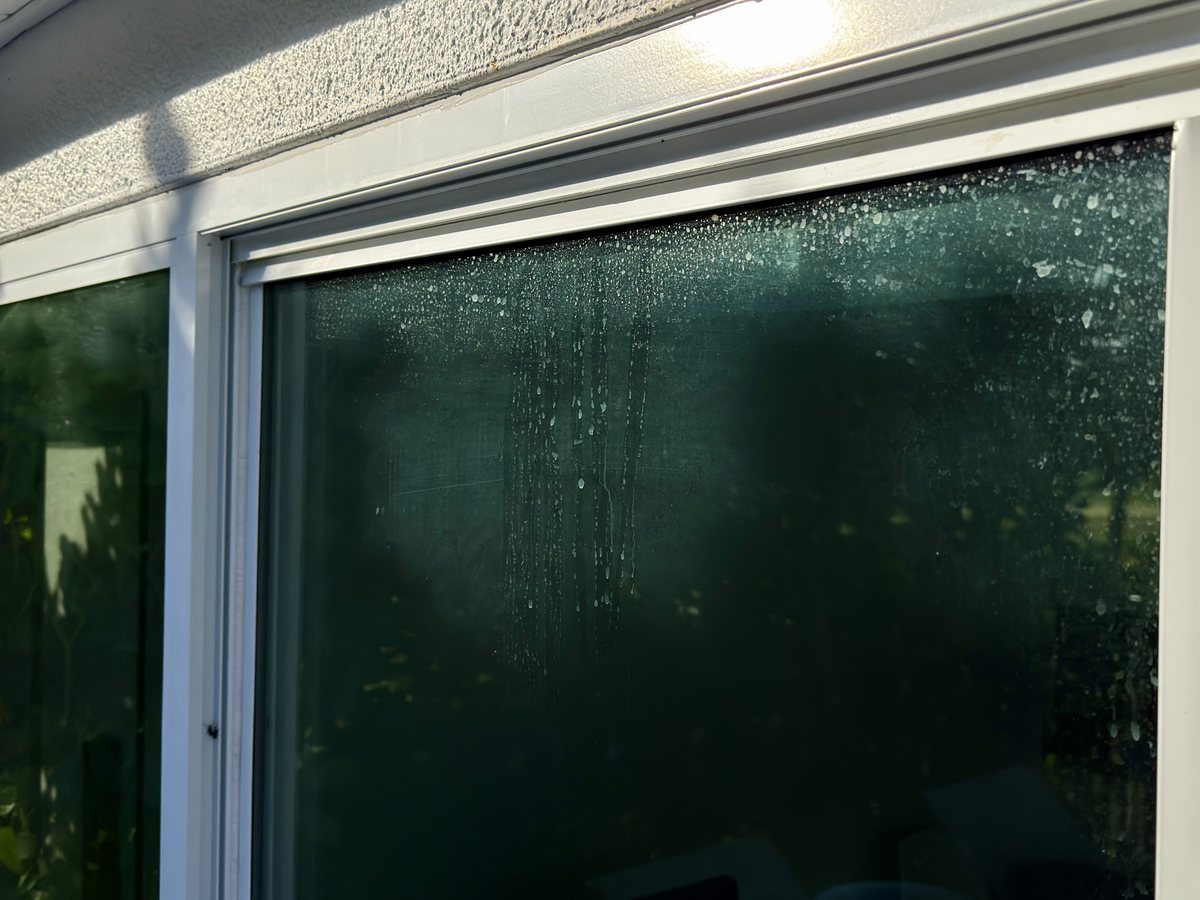
It's easy to assume months of rain have rinsed your windows for free. They usually haven't. Rainwater picks up dust, pollen, and airborne grit on the way down, and when the drops dry on the glass they leave that material behind as small spots. Repeat that all summer and the spots turn into a dull, uneven film. Rain spreads that film around more than it removes it.
Homes closer to the Gulf, like those on Siesta Key and Longboat Key, have one more thing to deal with. Salt carried in the sea air settles on the glass, and the humidity keeps it there. Sprinklers add their own layer. Irrigation water, especially from wells, carries minerals that dry into white spots and can bond to the glass over time. We explain how to tell those apart from ordinary dirt in our guide to hard water stains on windows.
Five Things to Check This Fall
You don't need any tools for this. A walk around the house on a sunny morning is enough.
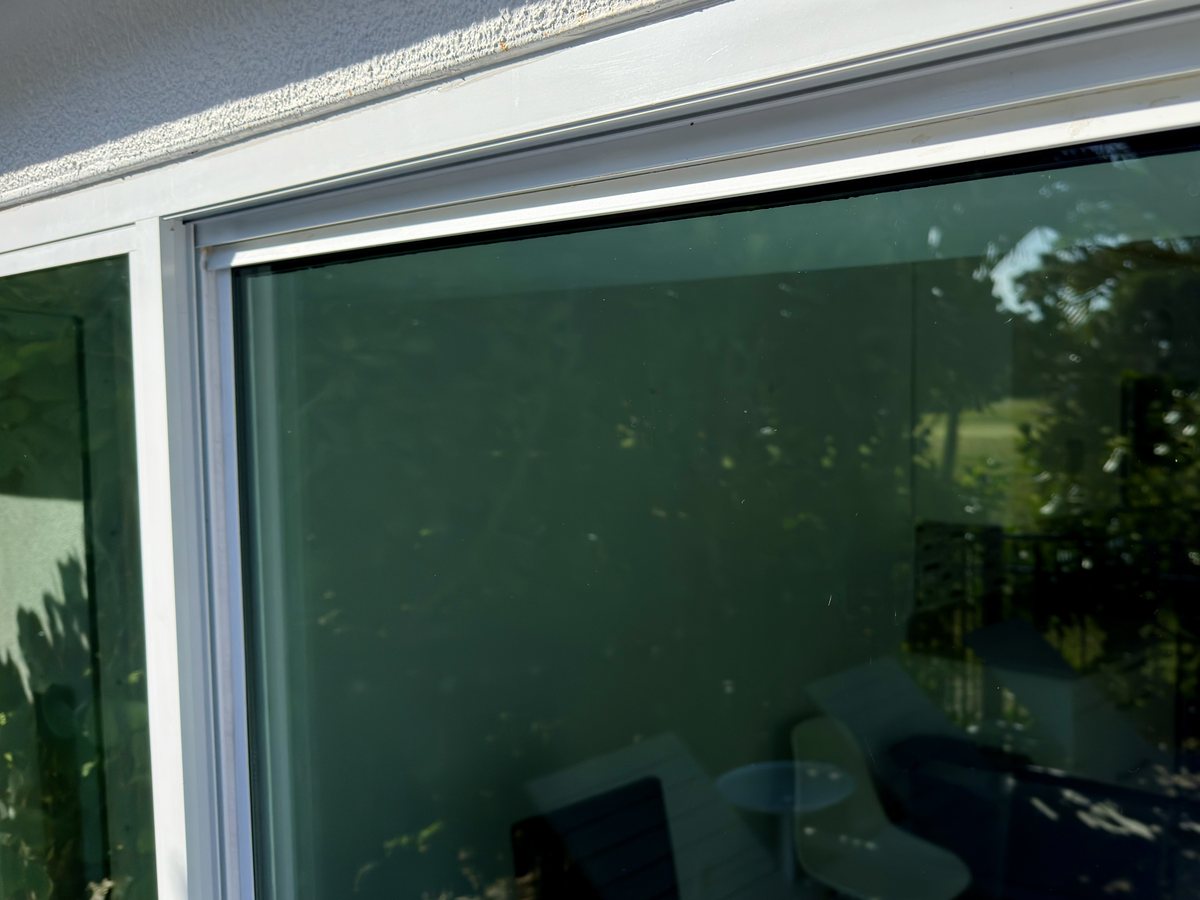
- Look at the windows in direct sunlight. Stand outside and view the glass at an angle. Haze, streaks, and water spots that disappear indoors show up clearly in direct light.
- Check which way your sprinklers point. If a spray pattern reaches the glass, it leaves mineral spots on the same windows every time it runs. EPA WaterSense recommends redirecting sprinklers that spray walls and hardscape back toward the landscape.
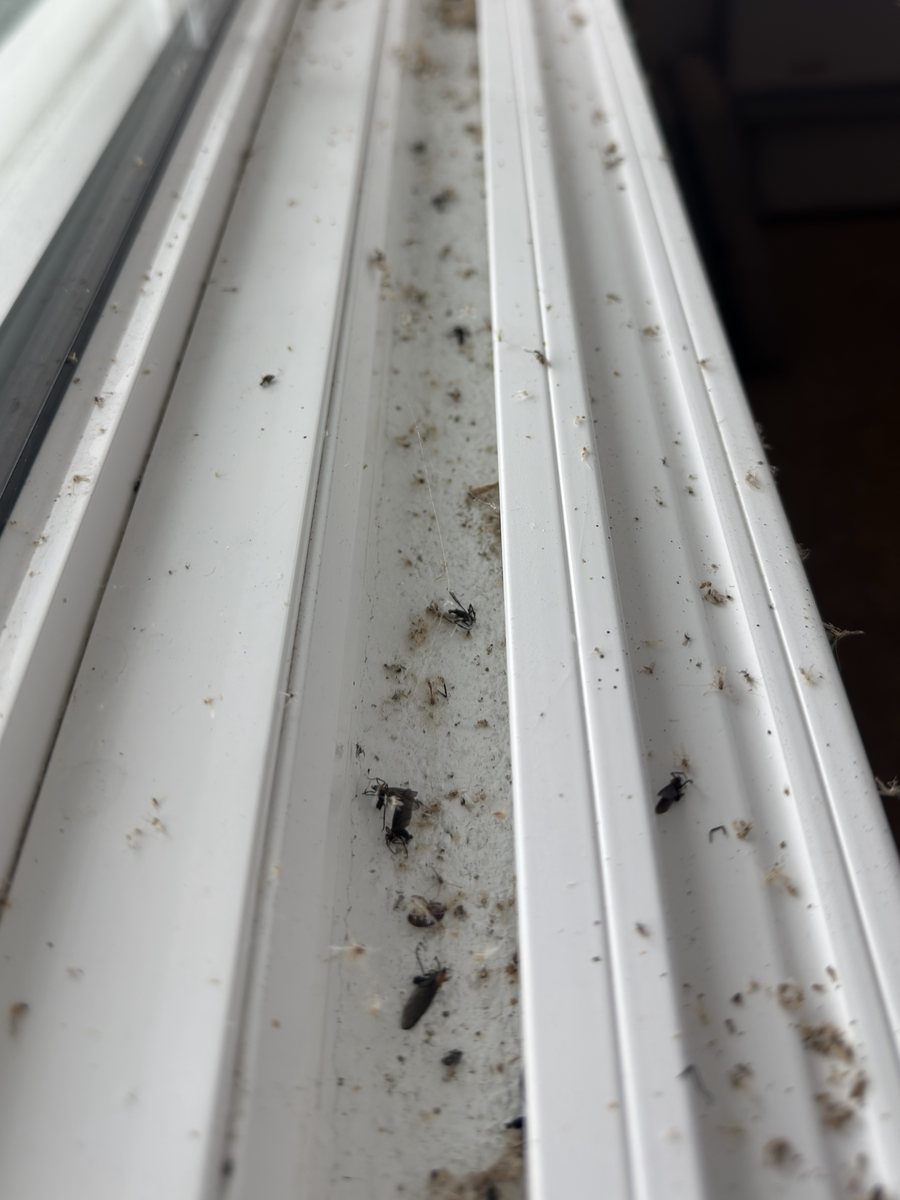
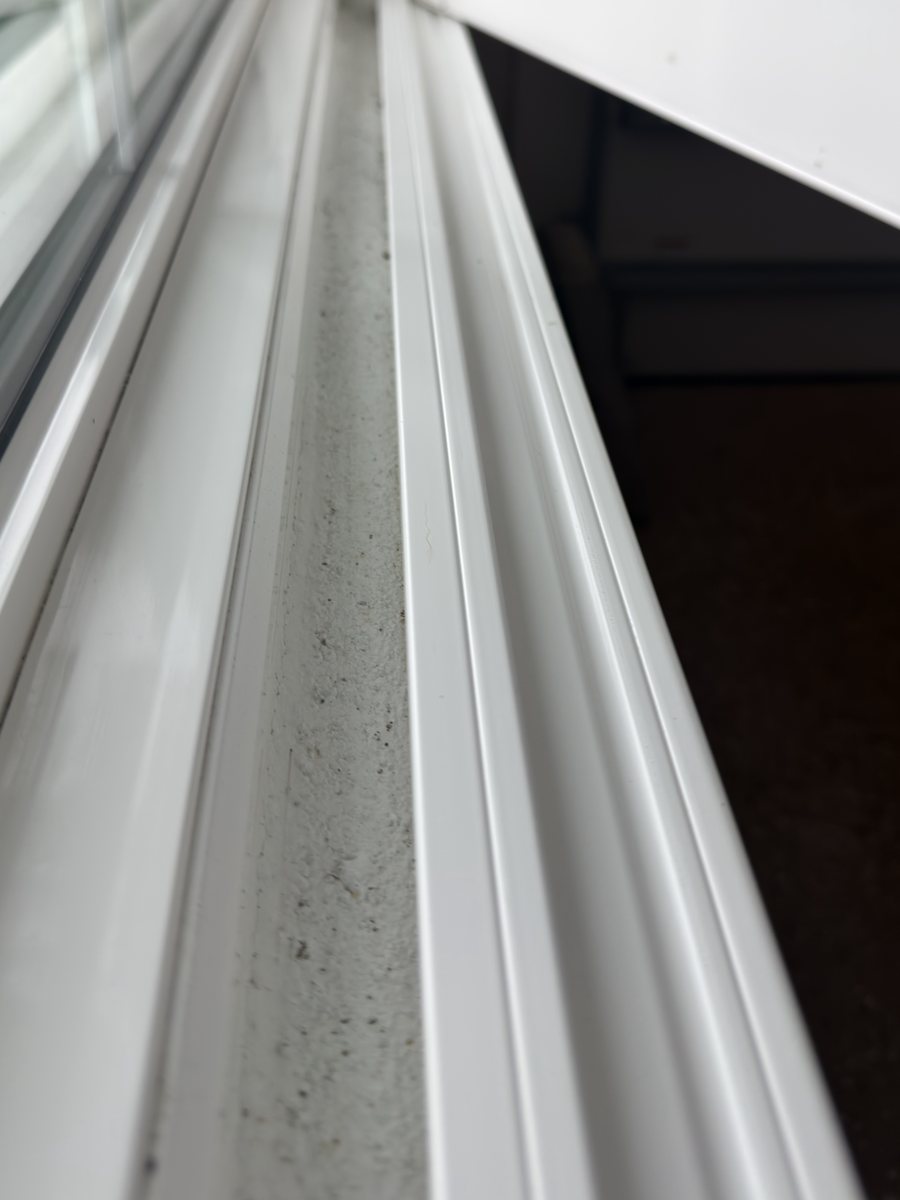
- Look at the tracks and sills. Over the summer they collect dirt, dead insects, moisture, and sometimes green growth.
- Check the screens. They catch pollen, dust, and cobwebs, and a dirty screen makes clean glass look dull. Pool cage and lanai screens do the same.
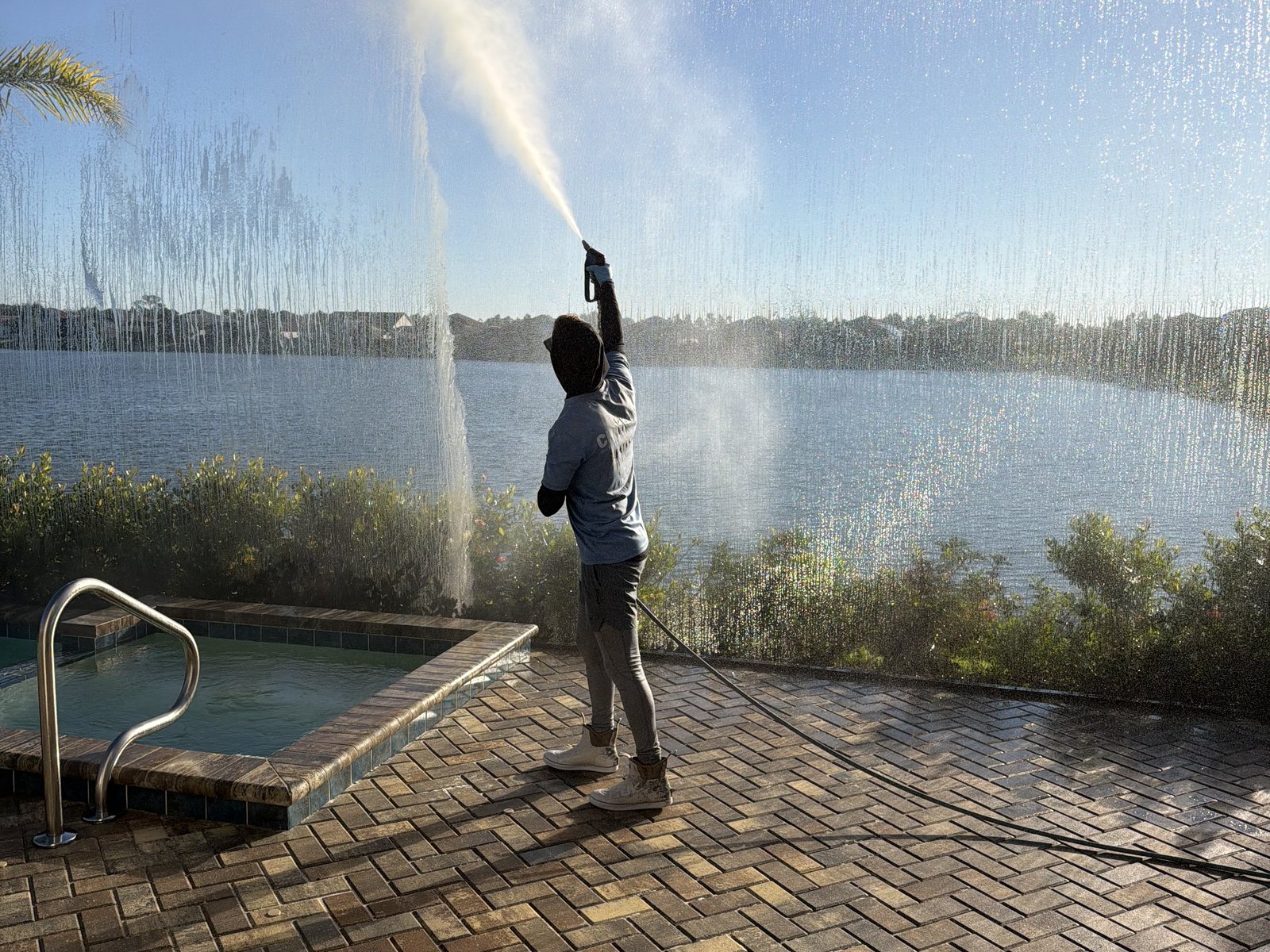
- Look at the whole picture. Sit where you usually sit. Is the view of the water, the pool, or the garden as sharp as it should be? If the glass is getting in the way of the view, it's time.
A Little Maintenance Goes a Long Way
Every Florida home is different. Coastal homes deal with salt. Inland homes deal with pollen, landscaping debris, and irrigation spray. There's no single cleaning schedule that fits every house.
What helps most is consistency. Glass that's cleaned regularly doesn't build up the heavy film and mineral deposits that make a cleaning harder later. Once or twice a year is a reasonable starting point, and more often is better for avoiding hard water stains, because mineral spots are easier to clear before they harden. Homes near the water or under trees benefit most. Our what's included checklist shows what a full cleaning covers.
For homeowners who prefer not to think about scheduling, we also offer Window Care Plans that make ongoing maintenance easier. But a one-time cleaning is always a great place to start.
Enjoy the View, Not the Streaks
Clean windows change how a house feels. More light comes in, the view looks sharper, and the rooms feel brighter, especially with guests on the way. If you'd like a hand with window cleaning in Sarasota, request an instant estimate or call (941) 499-8689. We'll tell you what your windows need, and nothing more. Prefer to do it yourself first? Here's our step-by-step guide to cleaning windows without streaks.
Rainy Season Window Care FAQs
Does rain clean my windows?
Not really. Rainwater carries dust and pollen, and when the drops dry on the glass they leave that material behind as spots. Over a whole rainy season those spots build into a film.
When does Florida's rainy season end?
The National Weather Service lists May 15 to October 15 for Southwest Florida, and describes the dates as general guidelines. The weeks after the season ends are a natural time to check your windows.
How often should I clean my windows in Sarasota?
Once or twice a year is a reasonable starting point, and more often is better for avoiding hard water stains, because mineral spots are easier to clear before they harden. Homes near the water or under trees benefit from more frequent visits.
Get Started ›
Get your windows cleaned by a crew that does this daily.
Call, text or email us and we'll follow up, usually the same day. Want a price first? Try our instant estimate.